
Table of Contents
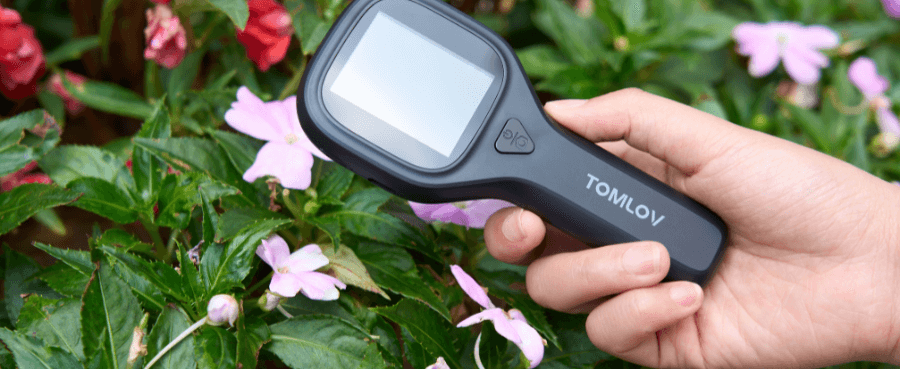
Forget the heavy iron stands and the "don’t touch that!" rules of the traditional classroom. Today, discovery happens on the hiking trail, in the backyard, and at the kitchen table. Modern microscopy has officially "broken the wall," turning the entire world into a living laboratory.
If you want to spark a lifelong love for STEM, the secret isn't a textbook—it’s a tool that fits in a pocket. By choosing a high-quality microscope for kids, you’re giving them a backstage pass to the invisible universe, anywhere they go.

Freedom To Explore: The Power Of Portable Microscopy
The biggest barrier to science is often the equipment itself. Traditional microscopes are tethered to outlets and fragile glass slides. Going "beyond the walls" means prioritizing gear that survives the real world. When you invest in a versatile microscope for kids, you remove the physical limits of the classroom.
Features That Turn The World Into A Lab
When shopping for a field-ready device, look for these "must-haves" to ensure the fun doesn't stop at the doorstep:
- Rugged Portability: Choose reinforced polycarbonate bodies that can handle a drop on the grass.
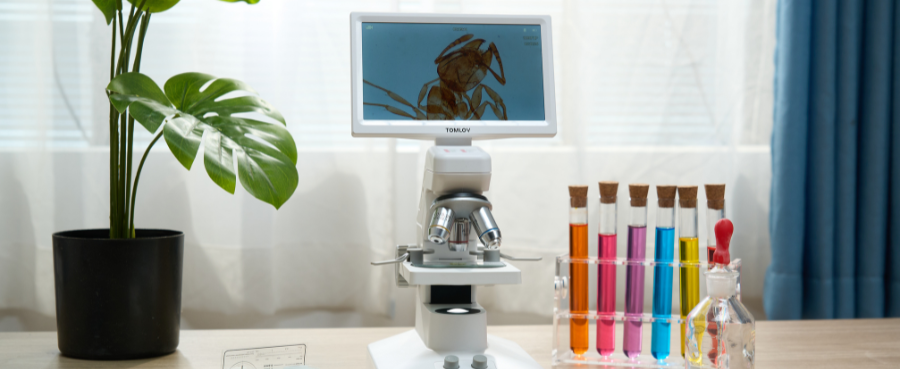
- Integrated Digital Screens: A built-in LCD screen allows multiple kids to see the same specimen at once, turning a solo hobby into a social discovery.
- Rechargeable LED Power: Look for USB-C charging. In 2026, nobody wants to hunt for AA batteries in the middle of a forest.
- Smartphone Synergy: The ability to snap a 4K photo of a bee’s wing and text it to Grandma in seconds is the ultimate "cool factor" for the digital generation.
Pro-Tips For Successful Field Research
Don't just look—observe. Use these strategies to get the most out of your microscope for kids during your next outdoor session:
- The "Live-View" Advantage: Use a petri dish to observe pond water or soil mites without squashing them. Science is better when it's alive!
- External Lighting Tricks: If the sun is too bright, use your hand to shadow the specimen. If it’s too dark, a small clip-on LED light can reveal hidden textures on tree bark or stones.
- Create a Digital Log: Encourage your child to create a "Micro-Gallery" on a tablet. Organizing photos by "Backyard," "Park," and "Beach" builds essential organizational skills.
Related Reading: 8 Tips for Viewing Bacteria Under a Digital Microscope
Finding Your Perfect Match: A Quick Decision Guide
Ready to buy? Follow this 3-step logic to ensure you get the right tool for your specific explorer.
Step 1: Check the Age and Environment
- Ages 5–8: Focus on handheld digital scopes. They act like "magic magnifying glasses" and don't require complicated focusing. This is the most approachable microscope for kids in this age bracket.
- Ages 9–14: Look for optical-digital hybrids. These offer higher magnification (up to 800x) for seeing actual plant cells.
Step 2: Prioritize Connectivity
- If you travel often, a standalone screen is best.
- If you want to share findings on social media or school projects, a Wi-Fi/USB-enabled microscope for kids is a necessity.
Step 3: Don’t Overbuy Magnification
- 20x–100x is perfect for bugs, coins, and fabric.
- 400x+ is only needed if you are strictly looking at water microbes or blood cells. For most kids, lower magnification with higher clarity is more rewarding.

Final Thoughts:
The World Is Your Laboratory Science shouldn’t be a destination you visit once a week in a classroom; it’s a mindset you carry with you. By putting a microscope for kids into the hands of a young explorer, you aren't just buying a gadget—you’re unlocking a hidden dimension. Whether it's the crystalline structure of a snowflake or the intricate scales of a butterfly wing, the best discoveries are the ones found just outside your front door. It’s time to stop reading about the world and start seeing it for yourself.
Frequently Asked Questions
Do I need to buy extra slides?
For "beyond the walls" use, look for inverted or digital scopes that allow you to place the lens directly on the object. No slides required!
How long does the battery typically last?
Most 2026 models offer 8–12 hours of active LED use, which is more than enough for a full weekend of camping.
Can I see germs with a portable microscope?
You can see larger microbes (like Amoebas) at 400x, but "germs" (bacteria) usually require 1000x magnification and oil immersion, which is difficult to do in the field.
Is it easy to clean?
Yes. Use a simple microfiber cloth for the lens. Avoid using wet wipes, which can leave streaks on the sensitive optics.


Dejar un comentario
Todos los comentarios se revisan antes de su publicación.
Este sitio está protegido por hCaptcha y se aplican la Política de privacidad de hCaptcha y los Términos del servicio.